

The DPF light is one of the most common warnings on a modern diesel, and one of the most misunderstood. Most of the time it’s the car asking for help clearing soot, not a sign of disaster. Ignore it, though, and a simple regeneration can turn into a blocked filter and a much bigger bill. Here’s what the light means, what to try first, and when to stop and get it looked at.
The diesel particulate filter sits in the exhaust and traps soot so it doesn’t come out of the tailpipe. Every so often the car burns that soot off, a process called regeneration.
If a regeneration can’t finish, soot keeps building up and the warning light comes on.
What you shouldn’t do is keep driving on it for weeks and hope it clears. A filter that’s left to block completely is much harder to recover.
DPF work is done in-house at our workshop near Bedford. Depending on what we find, that means:
If something upstream is making too much soot, we’ll talk you through it before the filter is cleaned, so you’re not paying to clear it twice. Every car is different, so we’ll give you a price once we’ve heard the symptoms. DPF cleaning and regeneration.
Removing the DPF from a car used on the road is illegal. It will fail the MOT and can invalidate your insurance. If your car is used on the road, the answer is to get the DPF working properly again, which is exactly what we do.
If most of your driving is short runs around St Neots, Huntingdon or Bedford, your diesel may rarely get hot enough to regenerate on its own. A regular longer run on the A1, A14 or A421 helps. Our workshop at Little Staughton is about 15 minutes from St Neots and around 25 minutes from Huntingdon and Bedford, and under an hour from Milton Keynes and Luton.
For a short time, yes, and a steady, faster drive is often what clears it. If the light stays on after that, other warning lights appear, or the car loses power, stop and get it checked. Driving for weeks with a blocked filter can lead to much more expensive repairs.
A missing DPF, or one that has been tampered with, is an MOT failure. If the warning light is on, get it diagnosed before the test.
Regeneration burns soot off inside the filter using heat, either on the move or forced with diagnostic equipment in the workshop. Cleaning is for filters that regeneration alone cannot clear.
It depends on the car and what is causing the problem, so we give you a price once we have heard the symptoms. Call or WhatsApp 07460 752897.
Often not. Many blocked filters can be regenerated or cleaned. Replacement is usually only needed if the filter is physically damaged.
Tell us the car, the warning lights and how you drive it, and we’ll tell you what we think is going on. Call or WhatsApp 07460 752897, Monday to Friday 10am to 6pm and Saturday 10am to 4pm.

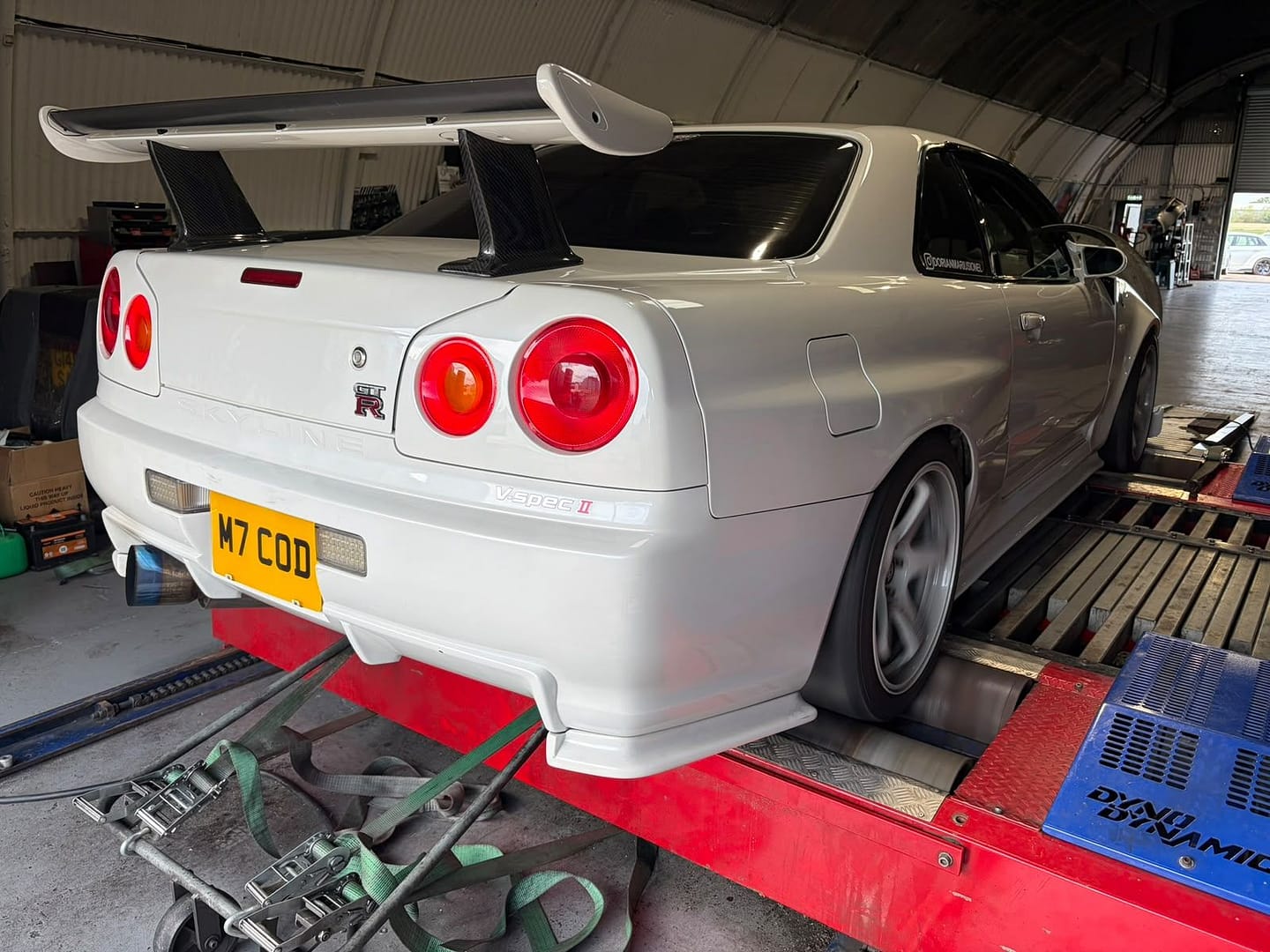

Unit 10, Airfield Industrial Estate, Little Staughton, Bedford MK44 2BN
Call or WhatsApp 07460 752897
[email protected]
Monday to Friday 10am to 6pm
Saturday 10am to 4pm
Copyright © 2026 Pulse Motorsport LTD | All rights reserved.