Short answer: yes. A remap is a modification, and you need to tell your insurer about it. Here’s why, what happens if you don’t, what it’s likely to do to your premium, and exactly what details to give. This is general guidance for UK drivers, not legal advice, so always check your own policy wording.
Why you have to declare a remap
Insurers price your policy on risk, and power is a big part of that. Almost every policy asks whether the car has been modified from the manufacturer’s specification, and a change to the engine’s software counts, whether it’s a mild Stage 1 or a full custom map.
UK law (the Consumer Insurance (Disclosure and Representations) Act 2012) says you must take reasonable care to answer your insurer’s questions accurately. Most policies also say you must tell them about changes during the policy, so a remap done halfway through the year still needs reporting.
What happens if you don’t tell them
Usually nothing, until you need to claim. After a serious accident or theft, an insurer can check the car, and ECU software can be read and compared with standard. If an undeclared remap turns up, the insurer can:
- reduce the payout, or refuse the claim altogether;
- cancel or void the policy;
- leave you having to declare a cancelled or voided policy every time you buy insurance in future.
Saving a few pounds on the premium isn’t worth that risk.
Will my premium go up?
It depends on the insurer, the car and how much power you’re adding. Some mainstream insurers add a small amount for a remap, some add a lot and some won’t cover modified cars at all. Specialist modified-car insurers and owners’ club schemes are often better value, because modifications are what they cover every day.
The best time to find out is before you book. Ring your insurer, tell them what you’re planning, and ask for the price with and without it. Some insurers also charge an admin fee for changing a policy mid-term.
What to tell your insurer
- What was done: an ECU remap, and the stage (for example, Stage 1).
- Any parts fitted with it: intake, intercooler, exhaust, downpipe and so on.
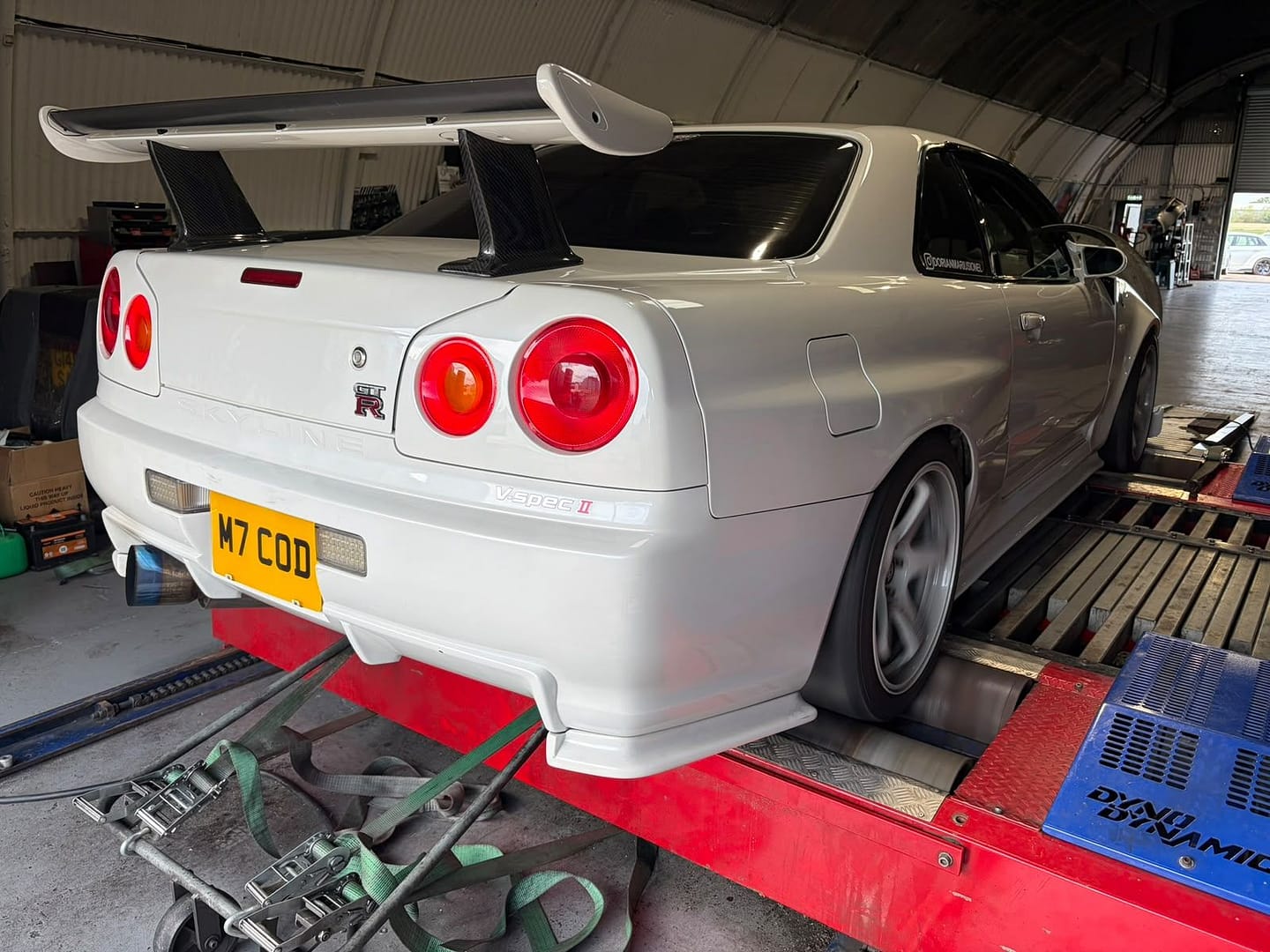
- Power before and after: every remap at Pulse comes with a before-and-after graph from our 4WD dyno, so you have real measured figures to give rather than a guess.
- Who did the work: the business name and address.
- Software options: such as pops and bangs, if the insurer asks.
Not sure which stage you need? Our guide to Stage 1 vs Stage 2 vs Stage 3 explains the differences, and our ECU remapping page has the prices.
Other things to check before you remap
- Warranty: if the car is still under a manufacturer warranty, check how a remap affects it.
- Finance and lease agreements: many lease agreements don’t allow modifications, so read yours or ask the finance company first.
- Emissions equipment: a road car must keep its catalytic converter and DPF. Removing them is for competition vehicles only: it’s illegal on the road and will fail the MOT, and a road insurer won’t cover a car without them.
Going back to standard
We read and keep your original ECU file, so the car can be returned to standard if you sell it or change insurers. If you do put it back, tell your insurer so your policy reflects the car as it is.
Frequently asked questions
Do I need to tell my insurer about a Stage 1 remap?
Yes. Any change to the engine software is a modification, however mild. Tell your insurer before you drive the car after the remap.
Can an insurer tell if my car has been remapped?
They can check. ECU software can be read and compared with the standard file, and power can be measured on a dyno. Assume a remap will be found if you make a claim.
Do pops and bangs count as a modification?
Yes. Pops and bangs are a software change, so declare them along with the remap.
Is it cheaper to insure a remapped car with a specialist?
Often, but not always. Specialist modified-car insurers and owners club schemes are used to remapped cars, so get quotes from them as well as your current insurer.
What power figures should I give my insurer?
The measured figures from your before-and-after dyno graph. Every remap at Pulse comes with one.
Planning a remap?
We’re happy to tell you the stage and what it involves in advance, so you can get an insurance quote before you book. Call or WhatsApp 07460 752897, Monday to Friday 10am to 6pm and Saturday 10am to 4pm.